Walk into any toy store, and you'll find shelves filled with colorful dolls, action figures, remote-controlled cars, puzzles, and electronic gadgets. While many of these toys are fun and entertaining, not all of them help children develop essential life skills.
As parents become more aware of the importance of hands-on learning, STEM toys have become one of the most popular choices for children. These toys go beyond entertainment by encouraging kids to build, create, experiment, and solve problems—all while having fun.
In this guide, we'll compare STEM toys vs. traditional toys, explain why STEM learning matters, and explore how ViNee Hub by ViNeehelps children develop creativity, confidence, and engineering skills through play.
What Are Traditional Toys?
Traditional toys are designed primarily for entertainment. They often encourage imaginative play, storytelling, or physical activity, but they may offer limited opportunities for children to explore science, engineering, or problem-solving.
Common examples include:
These toys can still support creativity and social interaction, but many involve repetitive play patterns where the child follows the toy's intended purpose rather than creating something new.
What Are STEM Toys?
STEM toys are educational toys that introduce children to Science, Technology, Engineering, and Mathematics through hands-on activities.
Instead of simply using a toy, children become active creators. They build structures, test ideas, solve challenges, and discover how things work through experimentation.
Rather than providing all the answers, STEM toys encourage children to ask questions such as:
-
Why doesn't this work?
-
How can I improve my design?
-
What happens if I change this piece?
-
Can I build something better?
This curiosity-driven learning makes STEM toys an excellent choice for developing future-ready skills.
STEM Toys vs. Traditional Toys
|
Traditional Toys
|
STEM Toys
|
|
Focus mainly on entertainment
|
Combine learning with fun
|
|
Usually have one intended purpose
|
Offer endless building possibilities
|
|
Passive or repetitive play
|
Active, hands-on learning
|
|
Limited problem-solving
|
Encourages critical thinking
|
|
Children follow instructions
|
Children create their own ideas
|
|
Less experimentation
|
Promotes trial and error
|
|
Short-term engagement
|
Long-term creative play
|
|
Limited educational concepts
|
Introduces science, engineering, and math
|
While traditional toys certainly have a place in childhood, STEM toys provide additional educational value that supports cognitive and creative development.
Why Active Learning Matters
Research consistently shows that children learn best when they actively participate in the learning process.
Instead of simply watching or pressing buttons, children understand concepts more deeply when they:
-
Build
-
Experiment
-
Test ideas
-
Make mistakes
-
Improve their designs
-
Solve problems
This is exactly how STEM toys encourage learning.
Every challenge becomes an opportunity to think critically and develop new skills.
STEM Toys Encourage Creativity
One of the greatest strengths of STEM toys is that there is rarely just one "correct" answer.
Children can design:
-
Race cars
-
Bridges
-
Robots
-
Towers
-
Machines
-
Ferris wheels
-
Animals
-
Custom inventions
Each child creates something unique using the same building pieces.
This freedom encourages imagination while teaching practical engineering concepts.
Learning Through Trial and Error
Children naturally encounter small challenges while building.
Perhaps the wheels don't spin.
Maybe the structure collapses.
Or the moving parts don't connect properly.
Instead of feeling discouraged, they learn to:
-
Identify the problem
-
Try a different solution
-
Test their ideas
-
Improve the final design
This process develops resilience, patience, and confidence—skills that extend far beyond playtime.
STEM Toys Build Critical Thinking Skills
Critical thinking is one of the most valuable skills children can develop.
Every building project encourages them to:
-
Analyze problems
-
Compare solutions
-
Plan ahead
-
Predict outcomes
-
Evaluate results
These thinking skills are useful in school, future careers, and everyday life
What Makes ViNee Hub Different?
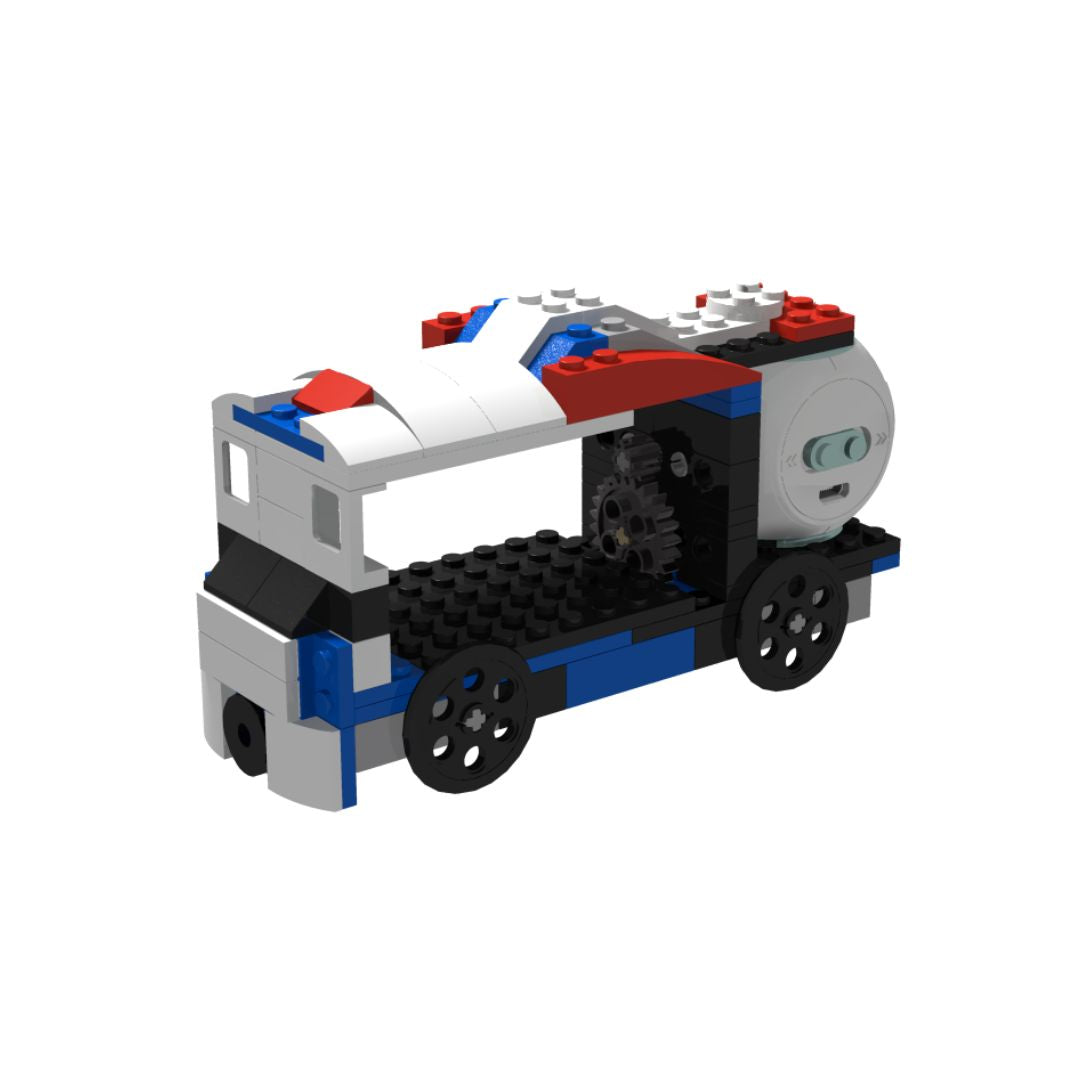
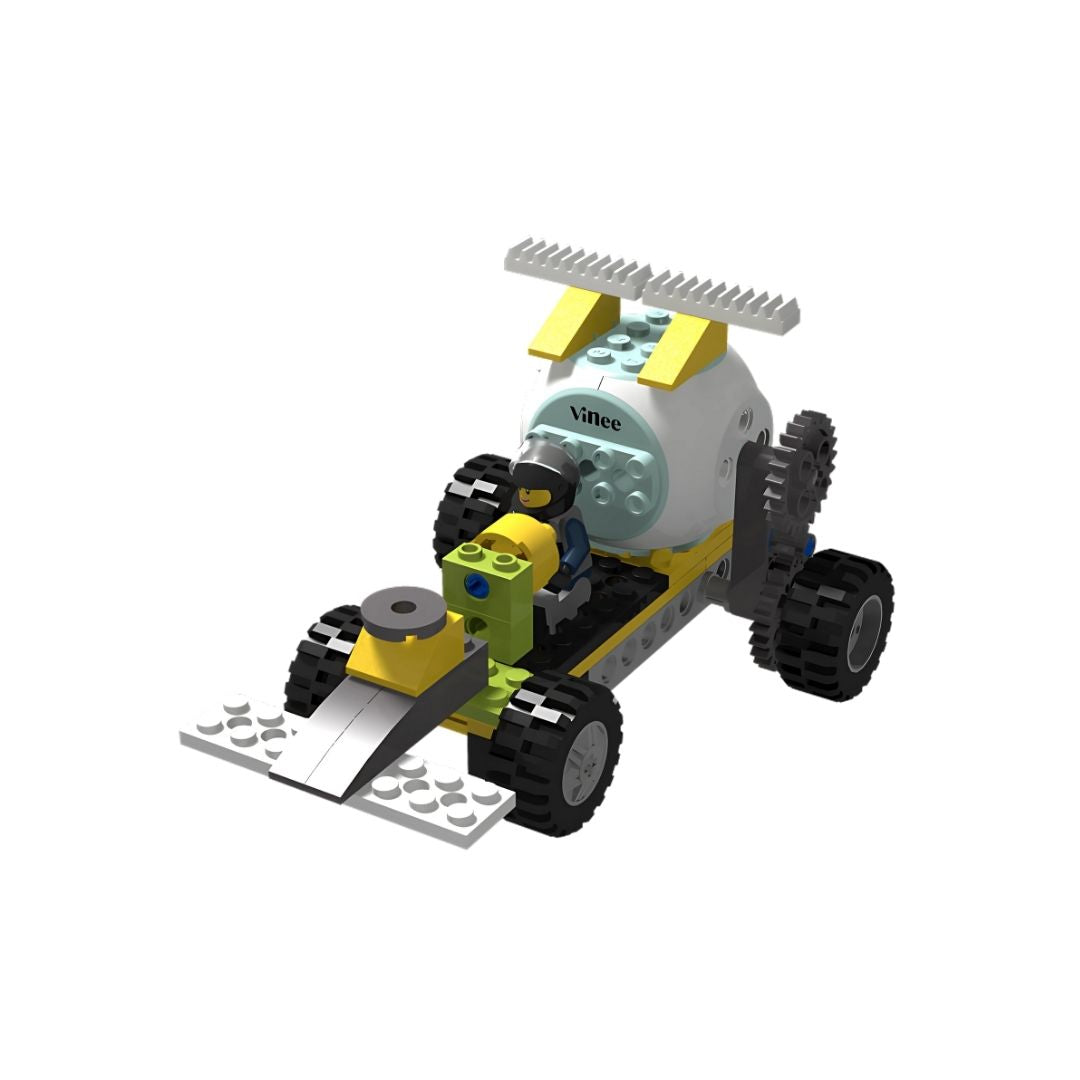
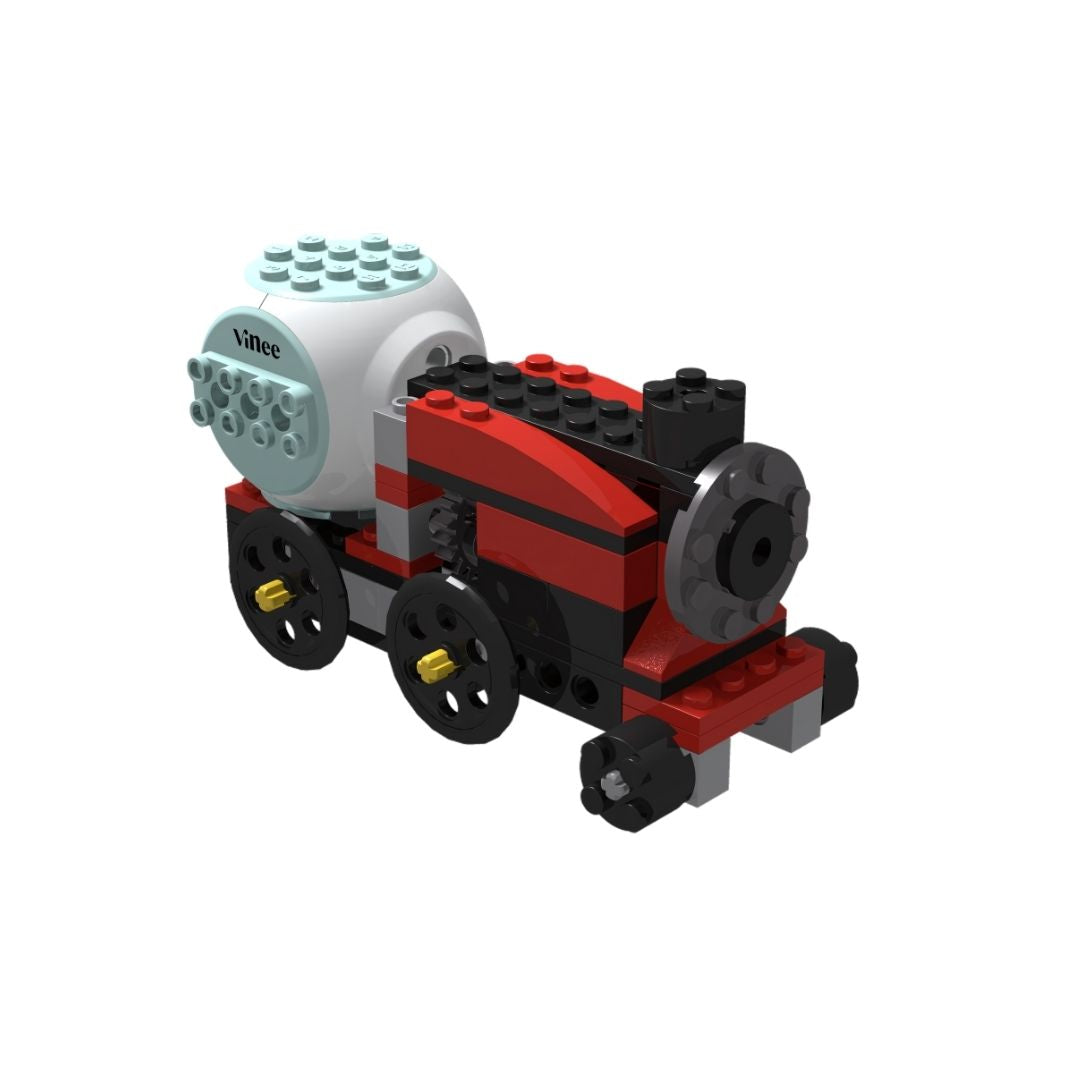
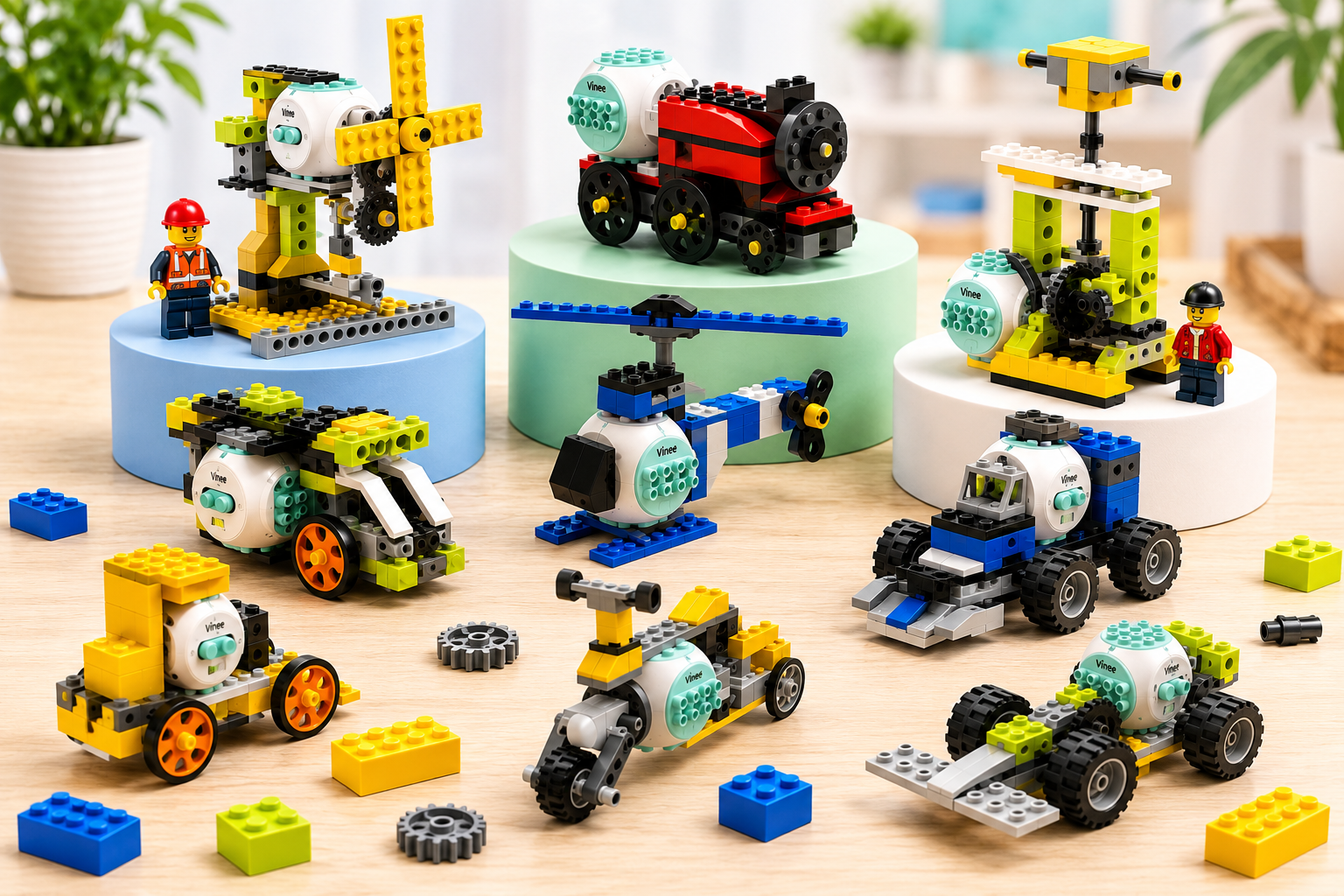
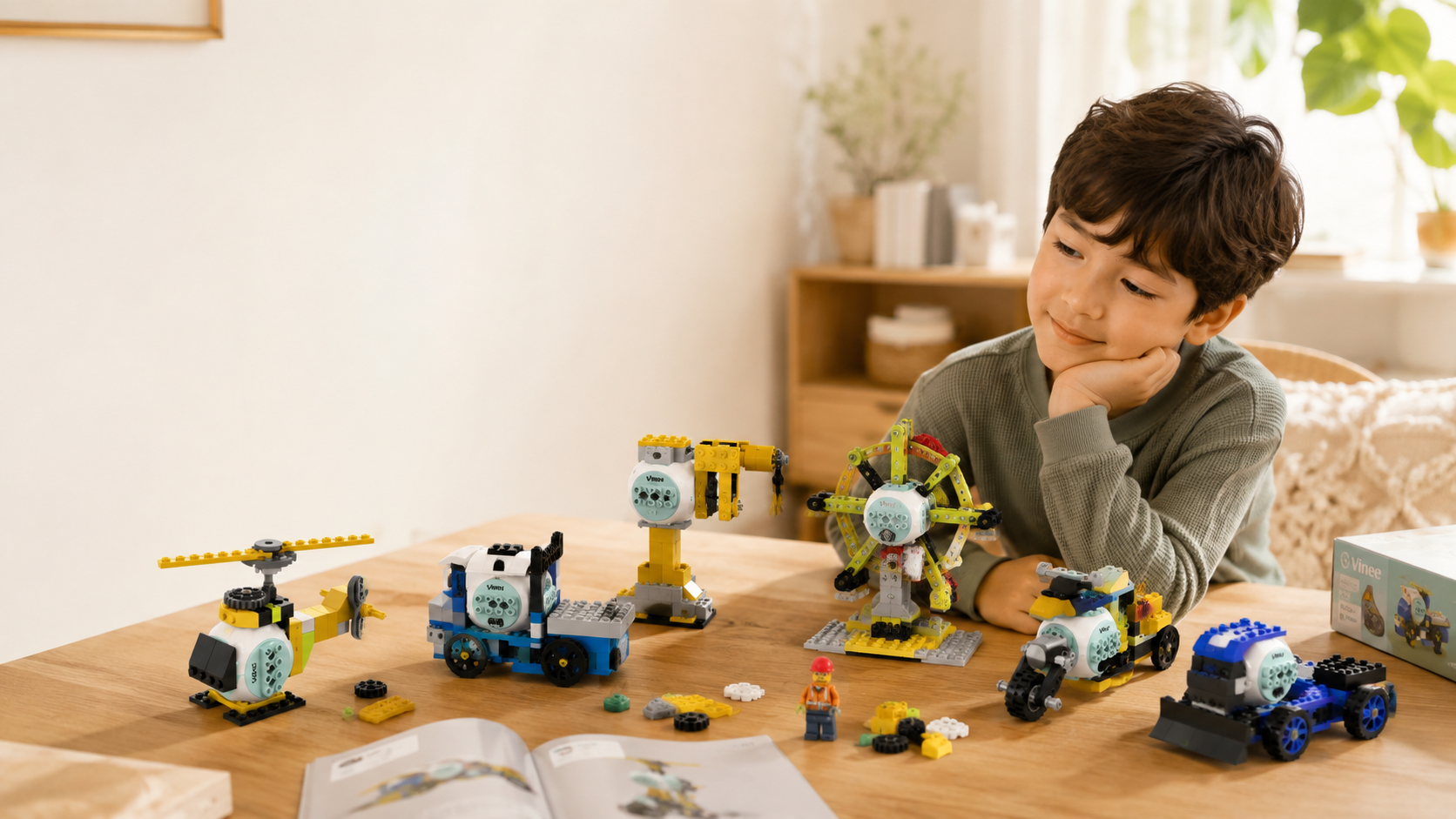
Unlike many traditional building toys, ViNee Hub introduces movement into children's creations.
Kids can build:
-
Moving race cars
-
Trucks
-
Ferris wheels
-
Construction vehicles
-
Mechanical machines
-
Windmills
-
Creative inventions
Instead of completing one model and stopping, children continue redesigning and improving their builds.
Every new creation introduces fresh engineering challenges.
STEM Learning Through Every Build
Every ViNee Hub project naturally introduces children to STEM concepts.
Science
Children observe movement, balance, gravity, and force.
Technology
They explore how different mechanical parts work together.
Engineering
Kids design, build, test, and improve their creations.
Mathematics
Building develops understanding of symmetry, counting, measurement, patterns, and spatial reasoning.
Learning happens through play rather than memorization.
Benefits of ViNee STEM Toys
Parents appreciate ViNee because the products combine creativity with educational value.
Some of the biggest benefits include:
-
Encourages independent thinking
-
Builds confidence through problem-solving
-
Inspires creativity
-
Improves concentration
-
Develops engineering skills
-
Promotes logical reasoning
-
Enhances fine motor skills
-
Supports teamwork during group play
-
Encourages screen-free entertainment
-
Offers endless building possibilities
Real-World Skills Children Develop
Playing with ViNee Hub goes beyond building toys.
Children gradually develop skills they'll use throughout life, including:
Problem-Solving
Learning how to identify and fix challenges independently.
Communication
Sharing ideas while building with friends or family.
Collaboration
Working together on larger projects.
Patience
Understanding that great designs often require multiple attempts.
Confidence
Successfully completing a project builds self-belief.
Creativity
Finding new ways to solve engineering challenges.
Why STEM Toys Keep Children Engaged Longer
Many electronic toys lose their appeal once children become familiar with their features.
STEM toys are different because they offer open-ended play.
One day a child might build a racing vehicle.
The next day they might create a bridge or an entirely new invention.
Since there are endless possibilities, children remain engaged much longer.
Choosing the Right STEM Toy
When selecting a STEM toy, look for products that:
ViNee Hub meets these qualities by allowing children to create countless moving models while learning through hands-on play.
Why ViNeeIs a Smart Choice
ViNee is dedicated to making STEM education exciting, interactive, and accessible.
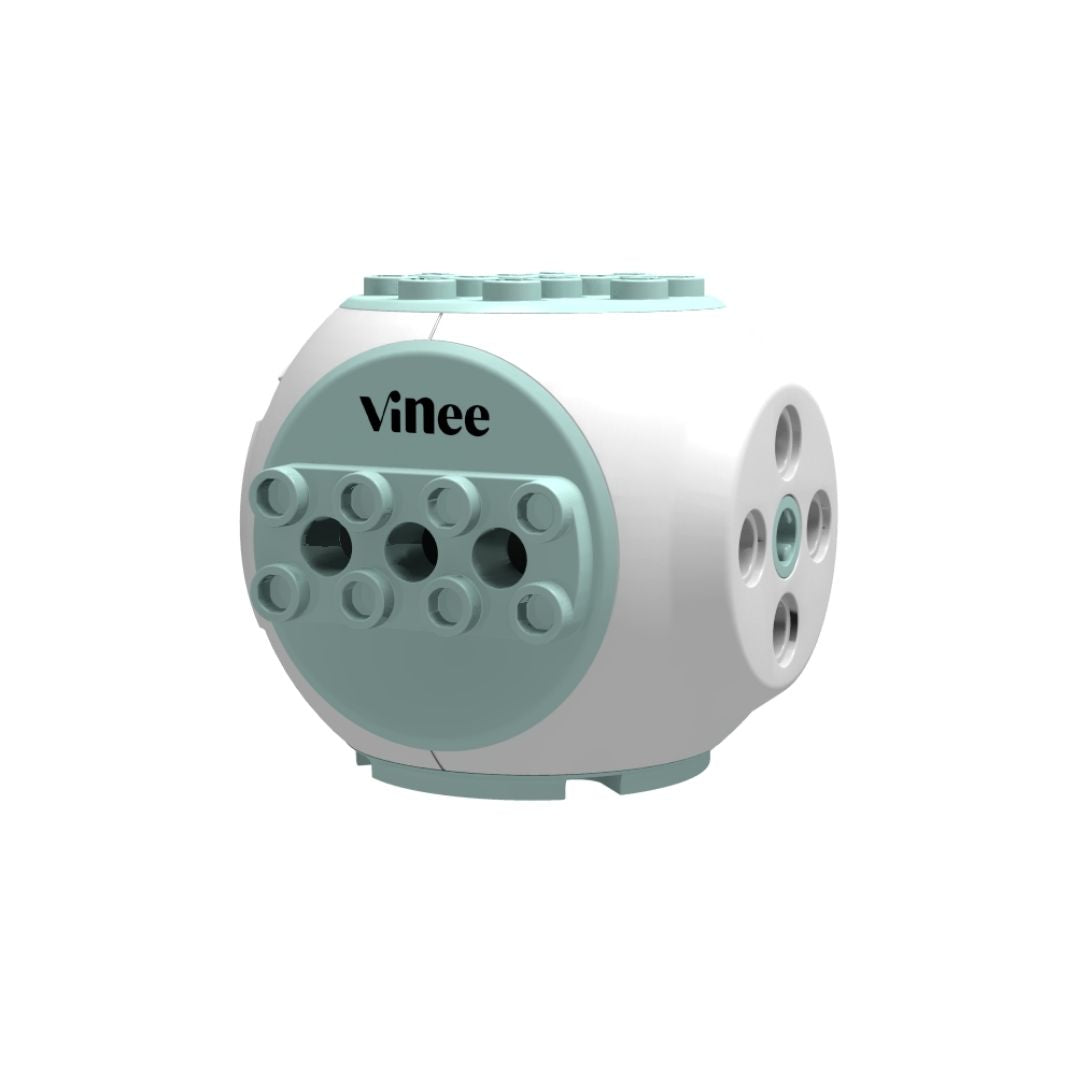
The ViNee Hub system combines compatible building blocks with innovative motion technology, helping children experience engineering in a fun and engaging way.
Instead of simply following instructions, children become inventors, designers, and problem-solvers.
Frequently Asked Questions (FAQs)
Are STEM toys really better than traditional toys?
Both types of toys have value, but STEM toys offer additional educational benefits by encouraging critical thinking, creativity, engineering, and problem-solving through hands-on play.
Can STEM toys improve school performance?
STEM toys help children develop logical reasoning, focus, and analytical thinking, which can support learning in subjects like math and science.
What makes ViNee Hub different from regular building blocks?
ViNee Hub uses the innovative ViNee Hub Connector to transform compatible building blocks into moving mechanical models, introducing children to engineering concepts while they play.
Do STEM toys reduce screen time?
Yes. Because STEM toys require active participation and creative building, children often stay engaged without relying on tablets, phones, or video games.
Are ViNee STEM toys suitable for group play?
Absolutely. ViNee Hub encourages teamwork, communication, and collaborative problem-solving, making it a great activity for siblings, friends, or classroom settings